MIROKI AT LIVE OAK ADULT DAY SERVICE
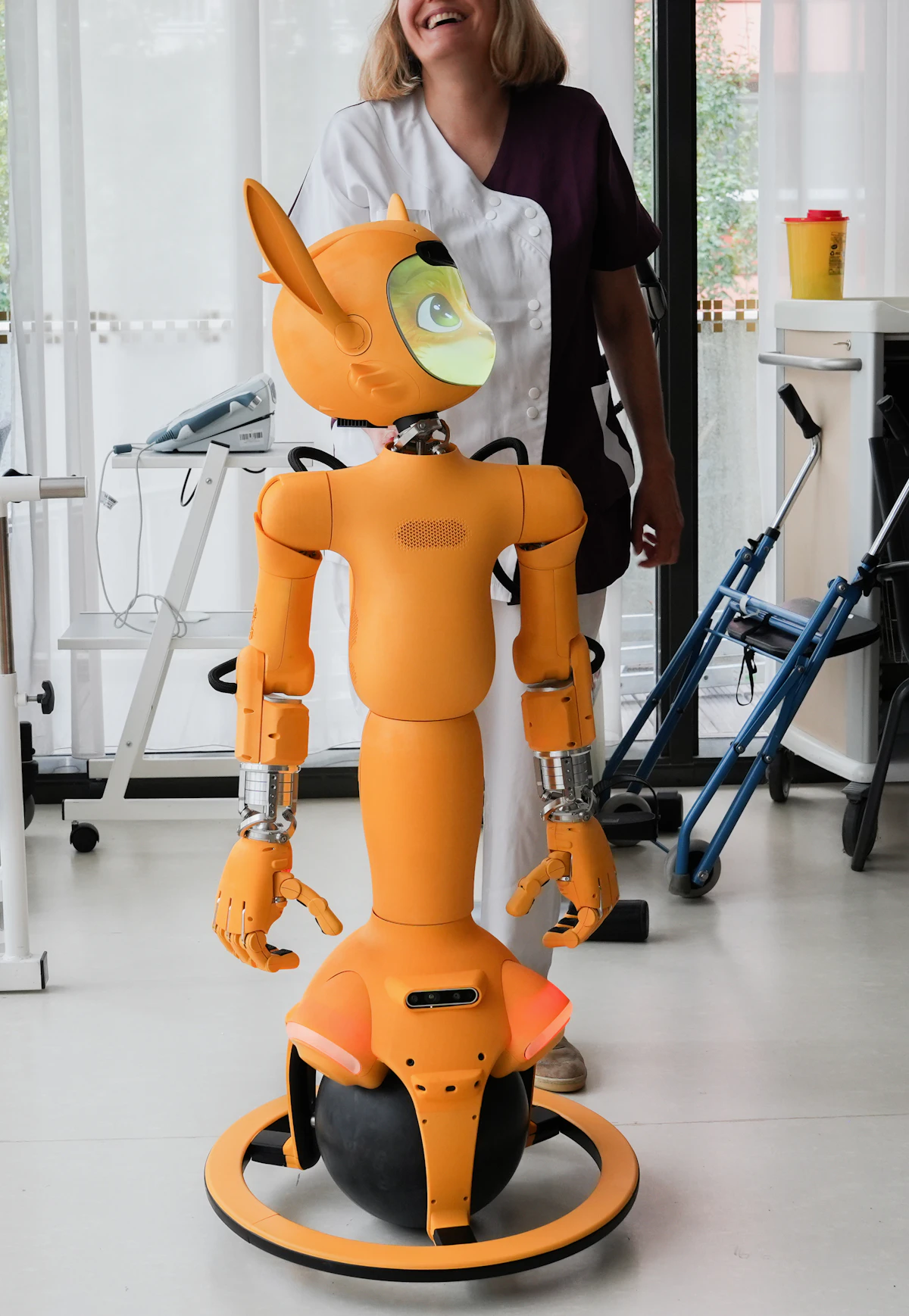
Across two Live Oak adult day care centers in Cupertino and San José, California, Miroki spent several weeks alongside residents, exploring how social robotics can create moments of connection, engagement and joy throughout the day. From music and dancing to conversations in different languages, the pilot showed how a robot can gradually become a familiar presence — while also supporting staff in their daily activities.


MIROKI AT LIVE OAK, USA

FROM A NEW PRESENCE TO A FAMILIAR FACE
When Miroki first arrived at Live Oak, residents did not always know how to interact with the robot. At Cupertino, formal questions and verbal activities initially generated limited engagement. But as the weeks went by, something changed: residents began recognizing Miroki, greeting it when they arrived, asking questions and spontaneously initiating interactions. Some even welcomed the robot with hugs, while others showed new residents how to interact with it. What started as curiosity gradually became familiarity, with Miroki becoming a recognizable part of their daily routine.

MUSIC, MOVEMENT AND THE POWER OF PLAY
Music quickly emerged as one of the strongest ways to connect with residents. Familiar songs encouraged people to sing, dance, smile and move closer to Miroki, including residents who were usually less verbally engaged. Over the course of the pilot, music became a shared language: residents danced with the robot, requested songs and joined activities such as Name That Tune and trivia. In one memorable moment, a resident who had once been a jazz dancer discovered that Miroki could play jazz music, leading to an impromptu dance together in the middle of the room.

CREATING CONNECTION BEYOND WORDS
Miroki also opened new possibilities for residents who found traditional conversation more difficult. Through music, gestures and playful interactions, engagement could happen without requiring long verbal exchanges. The robot also enabled conversations in residents' native languages, including Bosnian and Tagalog, creating opportunities for people who did not always speak English to communicate more freely. In one case, Miroki was able to maintain a conversation with a resident whose speech was particularly difficult to understand — an interaction the staff described as unusual and meaningful.

A ROBOT PEOPLE DIDN'T WANT TO SAY GOODBYE TO
By the end of the pilot, Miroki had become much more than a new piece of technology in the room. Residents knew what to ask it, called on it for activities and developed their own rituals around its presence. When the pilot came to an end, several residents were genuinely sad to see Miroki leave and asked when it would return. One resident even described the robot as something that could bring people out of their silence and help them discover stories about one another. For the Live Oak teams, the experience demonstrated how a playful and approachable robot can become a meaningful part of a community, creating moments of connection that extend far beyond the technology itself. “Miroki was a really good helper.”

A NEW KIND OF SUPPORT FOR STAFF
As residents became more familiar with Miroki, the staff also became increasingly comfortable using the robot themselves. Teams began launching trivia, choosing music, creating activities and integrating Miroki into quieter moments of the day. By the final sessions, staff members were able to use a simple mobile interface to trigger music, sounds and movements while Miroki interacted with residents with little intervention from the operator. The experience showed how social robotics can complement existing teams by providing an additional tool for engagement and animation, without replacing the human connection at the heart of care.
Join our Community of Enchanters
Get exclusive access to our Discord and go behind the scenes !
WANT TO KNOW MORE ?
Do you have any specific requests?
Feel free to fill out this form.